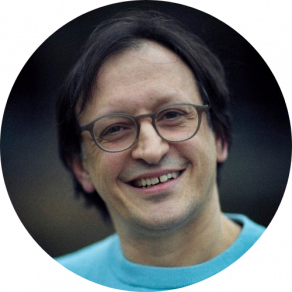
Carlos Canudas-de-Wit
Title of his presentation: « Electromobility Beyond Transportation: Challenges, Models and Opportunities »
Abstract:
The rapid deployment of electric vehicles (EVs), together with the increasing penetration of renewable energy, is reshaping both transportation and power systems. While this transition offers unprecedented opportunities to reduce greenhouse gas emissions and accelerate the decarbonization of mobility, it also introduces major challenges related to charging infrastructure, electricity networks, renewable energy integration, market operation, and user behaviour. Addressing these challenges requires viewing electromobility as a complex ecosystem in which transportation, energy and digital technologies are tightly interconnected. This presentation provides an overview of this evolving ecosystem and discusses the scientific challenges associated with modelling and managing large-scale EV fleets. Particular attention is devoted to integrated models that jointly describe vehicle mobility, battery state-of-charge dynamics and charging processes over large urban networks. Unlike conventional transportation or power-system models, these approaches explicitly couple vehicle mobility with battery state-of-charge dynamics, enabling the prediction of where, when and how much energy EV fleets will require. By combining traffic flows, energy consumption and charging behaviour within a unified framework, these models support the prediction of charging demand in both space and time. Simplified macroscopic representations are also introduced as computationally efficient tools for large-scale planning, optimization and scenario analysis. The presentation then illustrates how these modelling approaches support a broad range of applications, including charging infrastructure planning, estimation of future energy demand, assessment of impacts on electrical distribution networks, renewable energy integration, smart charging and Vehicle-to-Grid (V2G) services. Examples drawn from recent research, including the eMob-Twin platform, demonstrate how these concepts can be translated into practical decision-support tools for cities, utilities and charging infrastructure operators. The talk concludes with a discussion of emerging research directions, including AI-assisted modelling, flexibility markets and integrated mobility-energy planning, that are expected to play a central role in the next generation of sustainable electromobility systems.
Bio:
Carlos Canudas-de-Wit is director of research at CNRS, GIPSA-Lab, Grenoble, France. He received his engineering degree in electronics and communications from the Tecnológico de Monterrey, Mexico, in 1980. In 1984, he obtained his M.Sc. from the Department of Automatic Control in Grenoble, France. In 1985, he was a visiting researcher at the Lund Institute of Technology in Sweden.
In 1987, he received his Ph.D. in Automatic Control from the École Polytechnique de Grenoble (Department of Automatic Control), France. Since then, he has been with the same laboratory (GIPSA-Lab) as a Directeur de Recherche at CNRS, where he teaches and conducts research in control systems. He founded and led the NeCS team (GIPSA-Lab CNRS–INRIA) on networked control systems from 2006 to 2020. He was a visiting professor at the University of Sevilla during 2014–2015. He has established several industrial collaboration projects with major French companies (FRAMATOME, EDF, CEA, IFREMER, RENAULT, SCHNEIDER, ILL, IFP, ALSTOM), and has coordinated and participated in numerous national and European collaborative projects (Scale-FreeBack, COCCON, Speed, FeeNetback, Connect, HYCON2, ARAVIS, VOLHAND, MOCoPo). He has served as Associate Editor for IEEE Transactions on Automatic Control (1992–1997), Automatica (1999–2002), IEEE Transactions on Control of Network Systems (2013–2018), and IEEE Transactions on Control Systems Technology (2014–2018). He is currently a Senior Editor of the Asian Journal of Control (since 2010) and of IEEE Transactions on Control of Network Systems (since 2021). He was General Chair of the European Control Conference (ECC) 2014 in Strasbourg and of the IEEE Conference on Decision and Control (CDC) 2019 in Nice. He served as President of the European Control Association (EUCA) for the term 2013–2015 and was a member of the Board of Governors of the IEEE Control Systems Society from 2011 to 2014. He is the holder of the ERC Advanced Grant 2015 “Scale-FreeBack” (2016–2022) and the ERC Proof-of-Concept Grant “Emob-Twin” (2022–2024). He is an IEEE Fellow of the IEEE Control Systems Society.